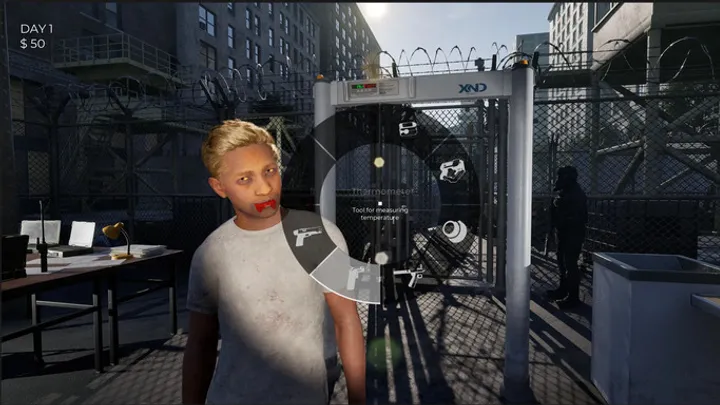







Quarantine Zone: The Last Check is not a reflex-based survival game. It is a systems-driven pressure simulator where every mistake compounds over time. Unlike traditional pandemic games that focus on combat or resource scavenging, this experience revolves around document verification, biometric scanning, behavioral observation, and decision-making under escalating institutional stress.
This guide is not a beginner overview. It is a deep, systems-focused breakdown of how to master the checkpoint across early, mid, and late phases of the game. We will examine workflow optimization, psychological pattern recognition, escalation control, statistical management, and long-term stability planning. The goal is not simply to survive a shift—but to sustain high performance across dozens of in-game days without collapsing under error accumulation.

1. Mastering the First Three Days: Building a Zero-Error Foundation
Understanding the Core Loop
The first three in-game days are deceptively simple. You check IDs, compare dates, verify entry permits, and approve or deny. The mistake many players make is rushing through these early stages because the difficulty appears low. That is a fatal long-term error.
The early days train your muscle memory. You must establish a repeatable verification sequence:
- Check name consistency
- Match ID number to database
- Verify expiration dates
- Confirm travel clearance code
- Compare face to ID photo
Consistency is everything. If you create a strict order now, you reduce cognitive load later when pressure increases.
Avoiding Early Statistical Damage
Even small early mistakes affect infection spread metrics and administrative trust ratings. A single infected approval can raise internal alert thresholds, leading to harsher mid-game conditions.
Focus on:
- Slowing down approval decisions
- Double-checking mismatched dates
- Flagging unclear documents rather than guessing
Early caution builds systemic stability for later phases.
2. Developing a Fast and Reliable Document Scanning Workflow
Optimizing Visual Scanning Patterns
As volume increases, efficiency matters. Do not read documents linearly. Instead, train your eyes to scan in a fixed “Z-pattern”:
- Top-left: Name and ID
- Top-right: Expiration
- Bottom-left: Clearance code
- Bottom-right: Signature and seal
This consistent visual loop prevents missing small discrepancies hidden in corners.
Handling Forgery Indicators
Mid-tier forged documents introduce subtle errors:
- Slightly misaligned seals
- Inconsistent font spacing
- Duplicate serial numbers
- Date formatting differences
Create a mental checklist of forgery patterns. The key is pattern familiarity. Once you recognize three or four common fake templates, detection becomes faster than verification.
3. Reading Behavioral Cues Without Overreacting
Identifying Genuine Fear vs Infection Anxiety
Not every nervous character is infected. Many players overuse quarantine authority due to trembling animations.
Look for combined signals:
- Elevated temperature + delayed responses
- Avoiding eye contact + inconsistent travel story
- Repeated coughing + travel from red zone
One signal alone is rarely conclusive. Combine at least two anomalies before escalating.
Avoiding False Positives
False positives harm performance metrics and can trigger administrative penalties.
To reduce errors:
- Re-run thermal scan before isolation
- Cross-check health declaration timestamps
- Compare symptom onset dates
Precision beats paranoia.
4. Managing the Escalation System Strategically

When to Use Secondary Inspection
Secondary interrogation consumes time but reduces long-term risk. Use it when:
- Documents show minor inconsistencies
- Biometric readings are borderline
- Traveler story conflicts with database
Avoid using it for clean cases. Overuse slows daily throughput.
Isolation Chamber Timing
The isolation chamber is powerful but limited. Reserve it for:
- Confirmed fever spikes
- Multiple red-zone stamps
- Verified forged health clearance
Do not waste isolation on uncertainty. It is a finite safety valve.
5. Balancing Throughput and Accuracy Under High Volume
Adapting During Surge Days
Certain days increase traveler volume dramatically. Players often panic and rush decisions.
Instead:
- Maintain your scanning pattern
- Accept slightly longer lines
- Prioritize accuracy over speed
A single infected approval causes more long-term harm than a slow queue.
Micro-Break Strategy
Between applicants, take one-second pauses. This reduces cognitive fatigue. Fatigue increases misreads of dates and ID numbers.
Efficiency is sustained focus—not constant motion.
6. Interpreting Daily Statistical Reports Correctly
Understanding Key Metrics
Each shift ends with data summaries:
- Infection leak rate
- False denial count
- Clearance efficiency
- Risk exposure index
Many players focus only on leak rate. But high false denials reduce civil stability and may affect narrative branches.
Adjusting Strategy Based on Data
If leak rate rises:
- Increase quarantine threshold
- Tighten forgery scrutiny
If false denial spikes:
- Reassess behavioral suspicion bias
- Reduce overreliance on isolation
Data should shape tomorrow’s strategy.
7. Mid-Game Crisis Control and Risk Compounding

Recognizing Infection Chain Indicators
Mid-game introduces background infection escalation tied to your earlier decisions.
Warning signs:
- Internal memo warnings
- Increased red-zone travelers
- Equipment malfunction frequency
These indicate systemic strain. Tighten approval standards temporarily.
Avoiding Panic Tightening
Do not swing too hard toward total rejection. Over-tightening can create administrative penalties and social unrest events.
Balance is dynamic—not static.
8. Late-Game Psychological Fatigue Management
Preventing Decision Burnout
Late-game shifts are long and tense. Fatigue leads to:
- Skipping document fields
- Over-trusting familiar patterns
- Missing small seal discrepancies
Use mental resets every 10 applicants. Briefly refocus your checklist sequence.
Avoiding Compassion Fatigue
The narrative introduces emotionally charged cases. Stay procedural.
Ask:
- Do documents comply?
- Are biometrics within safe range?
- Does travel clearance match database?
Emotion should not override verification structure.
9. Preparing for High-Risk Event Days
Event-Based Surges
Special event days introduce:
- Emergency evacuations
- Medical transport cases
- Government clearance overrides
These cases appear legitimate but may hide infection risk.
Handling Override Permissions
When higher authority clears someone automatically:
- Still scan biometrics
- Still verify documentation
- Use secondary inspection if permitted
Blind trust is a design trap.
10. Endgame Stability Strategy and Final Shift Mastery

Consolidating All Systems
In the final phase, everything converges:
- High infection prevalence
- Limited equipment reliability
- Reduced oversight
Your only protection is disciplined routine.
Follow your established workflow precisely. Do not improvise unless necessary.
The Final Shifts
Late-game success depends on:
- Low cumulative leak rate
- Controlled false denials
- Balanced isolation use
Maintain steady rhythm. The endgame rewards consistency, not aggression.
Conclusion
Mastering Quarantine Zone: The Last Check is about structured thinking under escalating pressure. The game tests your ability to balance speed, caution, data interpretation, and emotional restraint. Early discipline builds mid-game stability. Mid-game adjustments prevent systemic collapse. Late-game composure determines whether your checkpoint becomes a containment barrier or a collapse accelerator.
Success is not about perfection in one shift—it is about maintaining procedural integrity across dozens of increasingly complex days. Develop a fixed scanning pattern. Combine behavioral cues with biometric data. Use escalation tools strategically. Interpret daily reports intelligently. Above all, resist panic—because panic is the true infection.