The Silent Economy of Fear: Why Darkness Became the Real Main Character in Minecraft
Introduction
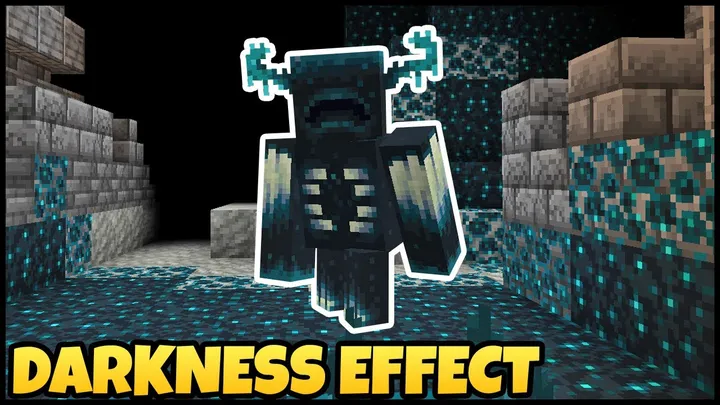
When people discuss Minecraft, conversations usually focus on creativity, survival systems, Redstone engineering, mobs, or the endless scale of procedural worlds. Yet one of the most influential forces in the entire game is not a block, a biome, or a creature. It is darkness.
Darkness in Minecraft functions differently from darkness in many other games. It is not simply a visual effect designed to make environments appear realistic. Instead, it operates as an invisible system that shapes movement, emotional reactions, construction habits, and player decisions. Many players adapt to its rules without consciously noticing its influence.
From the first moments of survival to modern deep cave exploration, darkness became a quiet authority that controls the rhythm of Minecraft itself. Players build against it, hide from it, and eventually learn to coexist with it. In many ways, darkness evolved into an invisible character that silently affects nearly every action in the game.
1. The First Night and the Beginning of Psychological Pressure
The Illusion of Safety
Every Minecraft world begins with freedom. Players spawn into forests, plains, mountains, or beaches where nothing immediately appears dangerous. Animals wander peacefully while the environment feels open and welcoming.
The early minutes create an illusion that the world is harmless. Players gather wood, look around, and experiment with mechanics without feeling urgency. The environment seems designed for curiosity rather than survival.
Then time begins to change the atmosphere.
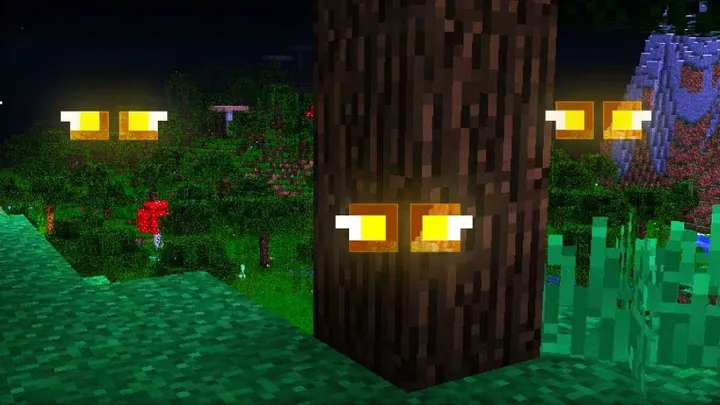
Without dramatic music or scripted events, daylight slowly disappears. The sky shifts color and shadows spread across the world. Minecraft never directly explains what night means. Players simply discover it.
The First Universal Memory
One reason Minecraft became memorable for millions of players is because nearly everyone experienced similar emotions during their first night.
Common emotional stages often included:
- Curiosity
- Exploration
- Confidence
- Realization
- Panic
- Improvisation
- Temporary relief
Many players remember digging directly into hillsides and covering entrances with dirt blocks. These shelters often looked absurd. They were not designed for beauty.
They were designed for survival.
2. Darkness Originally Worked Through Uncertainty
Fear Without Realism
Modern games frequently create fear through realistic graphics and cinematic effects. Early Minecraft had none of these elements.
Blocky shadows and simple lighting systems were technically primitive. Yet players still felt genuine anxiety.
The reason was uncertainty.
Humans naturally become uncomfortable when information disappears. A visible danger can be understood and predicted. An invisible danger creates imagination.
Minecraft accidentally used this psychological principle very effectively.
Sounds Arrived Before Threats
Many early experiences involved hearing something before seeing it.
Examples included:
- Zombie groans
- Skeleton rattles
- Spider sounds
- Cave ambience
Because players often heard enemies before identifying their locations, darkness became mentally larger than its actual size.
The mind began filling empty spaces with possibilities.
Fear rarely comes from what is visible.
Fear often comes from what might exist.
3. Torches Became an Economic Resource
Light Was Never Just Decoration
Most games use lighting as visual enhancement. Minecraft transformed light into a valuable survival currency.
Torches require basic resources:
- Coal
- Sticks
The crafting process appears simple, but the value of torches expanded far beyond visibility.
Torches eventually represented multiple forms of power.
The Hidden Functions of Light
Torches acted as:
- Territory markers
- Navigation systems
- Safety tools
- Comfort objects
- Expansion resources
- Monster prevention devices
Placing a torch changed the meaning of a location.
Dark areas belonged to uncertainty.
Lit areas belonged to players.
This transformed light into a kind of ownership system.
4. Cave Exploration Became Negotiation Rather Than Adventure
Going Downward Meant Accepting Risk
Surface environments provide orientation and visibility.
Players can see landscapes, identify landmarks, and understand surroundings easily.
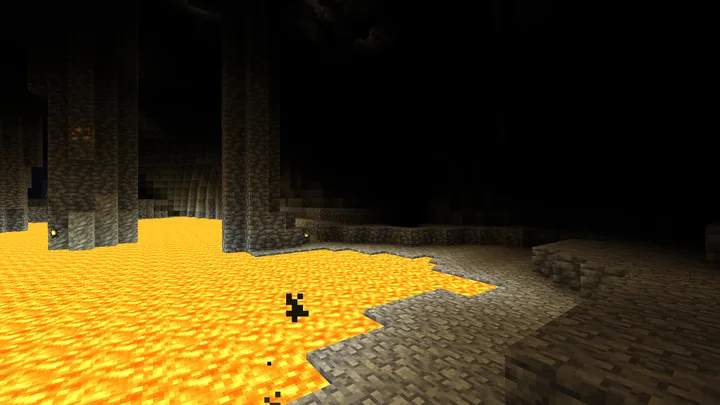
Caves remove these advantages.
The deeper players travel underground, the less certainty they possess.
The entrance slowly disappears.
Natural light vanishes.
Familiarity fades.
Desire and Fear Begin Competing
Caves create a conflict between two motivations.
One side says:
- Continue exploring
- Find valuable resources
- Search for rare materials
The other side says:
- Return to safety
- Avoid danger
- Protect inventory
Diamonds, iron, and valuable discoveries encourage players to continue moving deeper.
Darkness demands payment.
Every additional step becomes a small psychological transaction.
5. Sound Became Darkness's Strongest Ally
Audio Creates Invisible Space
Minecraft contains surprisingly limited sound design compared with modern games.
However, simple sounds gained enormous importance because darkness removed visual certainty.
Examples include:
- Water flowing behind walls
- Distant monsters
- Footsteps
- Cave echoes
Players often feel uncomfortable before actual danger appears.
Sound builds anticipation.
Visual information ends uncertainty.
Sound expands uncertainty.
Imagination Fills Empty Areas
Imagine hearing zombie sounds while standing inside a narrow tunnel.
Questions immediately appear:
- Is it above me?
- Is it below me?
- Is there a hidden cave nearby?
- How many are there?
The uncertainty itself creates tension.
Darkness and sound become partners because both depend on incomplete information.
6. Multiplayer Changed Darkness Entirely
Players Replaced Monsters
Single-player Minecraft focuses primarily on environmental threats.
Multiplayer introduces unpredictable human behavior.
Darkness gains completely different meanings.
It becomes:
- Ambush territory
- Hidden construction space
- Secret entrances
- Meeting locations
- Territorial borders
The emotional experience changes dramatically.
Human Uncertainty Exceeds Monster Uncertainty
Monsters behave predictably.
Players do not.
A zombie follows simple patterns.
Human players can deceive, hide, plan, or manipulate situations.
Dark forests and underground tunnels became psychologically different in multiplayer servers because danger stopped being mechanical.
It became social.
7. Cave Expansion Changed Underground Philosophy
Underground Spaces Became Ecosystems
Older Minecraft caves frequently resembled connected tunnels focused primarily on mining efficiency.
Modern cave systems transformed underground areas into entire environments.
Major additions included:
- Massive caverns
- Underground rivers
- Vertical structures
- Lush cave systems
- Ancient Cities
Darkness suddenly operated across larger environments.
Players were no longer entering short mining trips.
They were entering entire worlds.
Scale Creates New Emotional Responses
Large spaces create a different form of psychological pressure.
Small caves feel dangerous because players feel trapped.
Huge caverns create discomfort because players feel exposed.
Both experiences involve darkness, but each generates different emotions.
Minecraft expanded darkness from localized danger into environmental atmosphere.
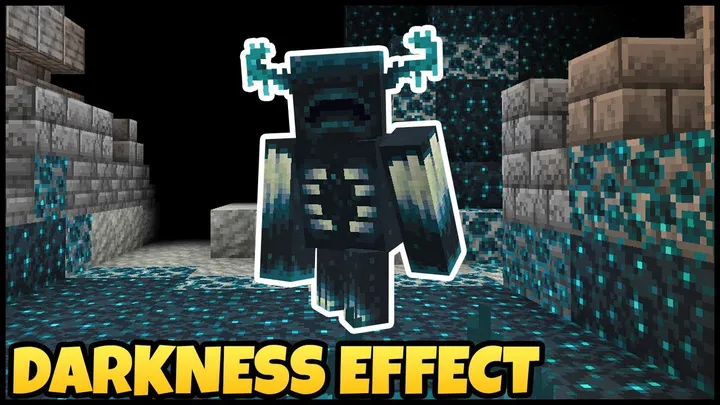
8. The Warden Redefined Fear
Combat Stopped Being the Solution
Traditional Minecraft enemies usually reward direct confrontation.
Better armor and stronger weapons solve most problems.
The Warden changed this relationship.
Instead of encouraging combat, it encouraged avoidance.
Players suddenly had different priorities:
- Stay quiet
- Move carefully
- Observe surroundings
- Escape detection
This represented a major change in design philosophy.
Vulnerability Returned
Experienced players eventually become powerful.
Enchantments, equipment, and resources reduce many survival concerns.
The Warden temporarily removes that confidence.
Darkness around Ancient Cities does not encourage domination.
It encourages caution.
Players enter understanding that survival itself is uncertain.
That emotional feeling resembles the first Minecraft night.
9. Civilization Exists Because Players Resist Darkness
Building Is Psychological Defense
Players often believe they build structures for creativity alone.
However, common construction habits reveal something deeper.
Many players automatically create:
- Walls
- Windows
- Watchtowers
- Roads
- Lamps
- Defensive perimeters
These structures resemble real human settlements.
Historical civilizations frequently developed around protection and predictability.
Minecraft follows similar patterns.
Light Creates Comfort
Illuminated bases provide several emotional advantages:
- Visibility
- Security
- Control
- Predictability
Players often place excessive amounts of lighting despite no practical need.
The behavior appears irrational from an efficiency perspective.
Psychologically, however, it makes perfect sense.
Humans naturally prefer environments where uncertainty feels limited.
10. Darkness Eventually Becomes Part of Creativity
Fear Evolves Into Appreciation
Experienced players rarely fear darkness in the same way beginners do.
They understand mechanics:
- Mob spawning
- Terrain generation
- Resource locations
- Survival systems
Yet something interesting happens.
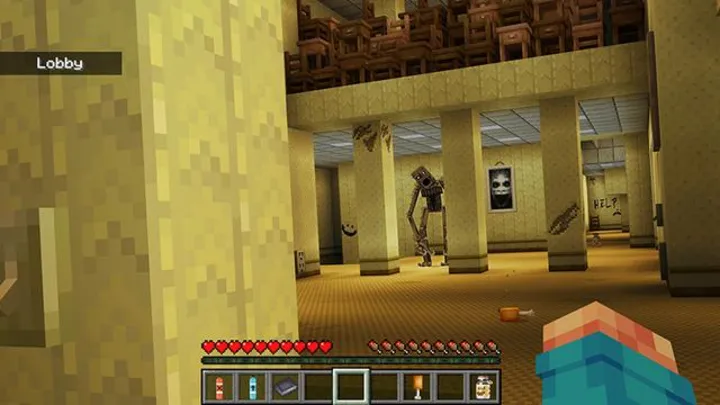
Instead of eliminating darkness completely, many players intentionally preserve it.
Darkness Stops Being an Enemy
Dark environments eventually become creative tools.
Examples include:
- Underground kingdoms
- Horror maps
- Haunted forests
- Atmospheric castles
- Hidden cities
Players begin using shadows and limited lighting to create emotional experiences.
The thing they once feared becomes artistic material.
Darkness transforms from threat into expression.
Conclusion
Minecraft darkness was never simply a visual effect or technical limitation. Over time it evolved into one of the game's most influential systems. It shaped player movement, emotional reactions, architectural choices, exploration behavior, and social interaction.
Unlike traditional game mechanics that directly instruct players what to do, darkness influences behavior indirectly. It creates pressure rather than commands. Players respond naturally by building shelters, creating communities, placing torches, and expanding territory.
Even after players become powerful enough to survive almost any challenge, darkness continues influencing the world around them. It remains the silent force that transformed Minecraft from a simple sandbox into an emotional experience.