.webp)



Introduction
There are many deck-building roguelikes. There are many horror games. There are even a few titles that attempt to blur the line between player and character. But Inscryption does something far more unsettling: it turns the rules themselves into a psychological weapon. Developed by Daniel Mullins, Inscryption begins as a claustrophobic card battler in a dim cabin and slowly mutates into something far stranger.
This article does not analyze Inscryption as a whole. Instead, it dives deeply into one specific issue that defines the experience: the intentional destruction and reconstruction of player trust across its three acts. From the opening cabin sessions to the meta-narrative unraveling in Act III, the game systematically teaches, betrays, and rewrites its own rules. This design choice is not just clever—it is the core engine of its horror.
Below is a time-structured exploration of how Inscryption builds trust, breaks it, and forces the player to question the very structure of games.
Act I: Establishing Safety in the Cabin
At first glance, Inscryption appears straightforward. You sit at a wooden table across from a shadowy figure named Leshy. The mechanics are clear: sacrifice creatures to summon stronger ones, balance bones and blood, protect your scales.
The Illusion of Fairness
The early battles are difficult but legible. You lose because you misplay, because your deck is weak, or because you misunderstood a sigil. This is familiar territory for anyone who has played roguelikes like Slay the Spire.
That familiarity is deliberate. The game establishes:
- Clear turn order
- Consistent resource systems
- Visible opponent actions
- Repeatable run structure
It feels like a system you can master.
The First Micro-Betrayals
But even in these early moments, cracks appear. The opponent uses special mechanics unavailable to you. Certain boss battles break established rules. The angler steals your cards. The trapper punishes aggression.
These deviations are small—but they matter. They begin conditioning the player to expect instability.
Death as Design: The Role of Repetition
Dying in Inscryption is not failure. It is progression.
The Death Card System
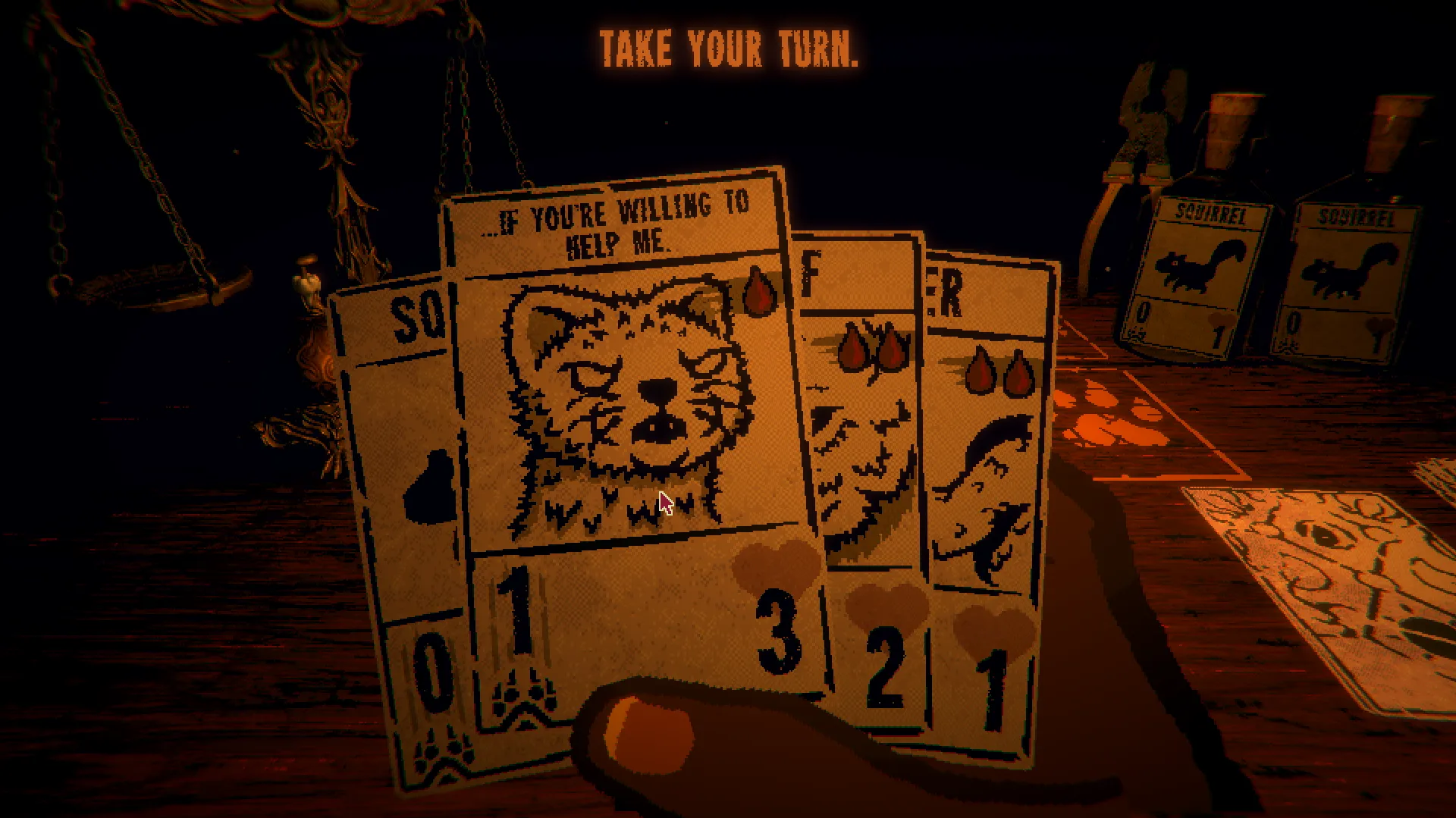
When you lose, Leshy turns your previous run into a new card—your “death card.” On the surface, this seems generous. You are rewarded for losing.
But this system quietly shifts the power dynamic. The game is watching. It remembers your choices. It uses your own decisions against you.
Player Complicity
The death card mechanic makes you complicit in your future suffering. Overpowered combinations return in later runs, sometimes trivializing encounters, sometimes destabilizing balance.
Trust begins to blur. Is the game helping you—or setting you up?
Environmental Escape: Breaking the Frame
Act I eventually reveals that you can stand up from the table.
The Cabin as Puzzle Space
Suddenly, the card game is not the whole game. The room itself becomes a meta-layer:
- Safe combinations
- Clock puzzles
- Talking cards
- Hidden film rolls
The rule system expands beyond what was initially presented.
Trust Collapse
This moment fundamentally shifts perception. If the game hid an entire dimension of play, what else is it hiding?
The trust established in the opening hour dissolves. You are no longer playing a card game. You are solving an escape room layered over a card game controlled by an unreliable narrator.
The Act I Finale: Revelation as Betrayal
When you finally defeat Leshy and unlock the New Game option, the game does something radical: it deletes itself.
Mechanical Erasure
All the mechanics you learned—sacrifices, bones, pelts—are wiped away.
You are transported into Act II, a pixelated RPG-style overworld. The aesthetic shifts. The structure shifts. The tone shifts.
Emotional Impact
The destruction of Act I is not merely surprising. It is destabilizing.
Players who loved the cabin format feel loss. Those who sought mastery are denied it.
Trust is not just broken—it is invalidated.
Act II: Rebuilding Rules in a New Framework
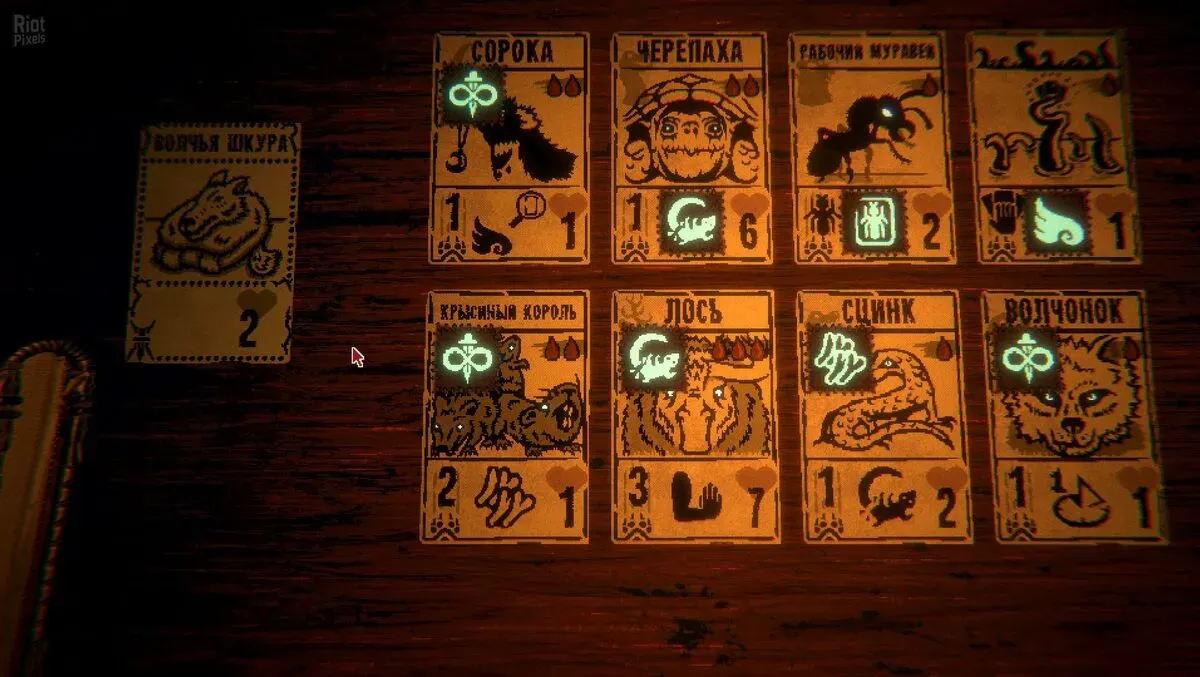
Act II introduces multiple Scrybes and different deck archetypes. The player must now choose alignment and construct a more traditional deck.
False Security Returns
The mechanics feel more transparent. Turn order is clearer. Enemy design is less theatrical. It resembles a retro card-RPG hybrid.
Players regain footing. Strategy feels calculable again.
Structural Manipulation
But beneath this simplicity lies manipulation. The narrative reveals that Leshy’s cabin was only one interpretation of the game. Other Scrybes want control.
The implication is chilling: rules are political. The structure of a game reflects who holds power.
Trust now extends beyond mechanics—it becomes ideological.
Meta-Discovery: The Old Data Problem
As Act II progresses, references to something called “The Old Data” begin to surface.
Horror Through File Implication
The game implies corrupted files, dangerous information, and something hidden in the code.
This is where Inscryption weaponizes player literacy. Many players understand creepypasta tropes, ARGs, and meta-fiction. The game leverages this awareness.
Trust in the Medium
We assume video games are contained systems. Inscryption suggests otherwise. It implies that digital artifacts carry hidden corruption.
The fear is not of losing a card match—it is of something leaking beyond it.
Act III: Corporate Sterility and Control
When Act III begins, the player is placed inside a futuristic factory controlled by P03.
Mechanical Overload
The mechanics now involve energy systems instead of blood. Battles feel more technical and less organic.
The aesthetic is cold. The music is mechanical. The warmth of the cabin is gone.
The Tyranny of Optimization
P03 values efficiency. Under this regime, the game becomes about automation, optimization, and procedural logic.
This is not just aesthetic change. It is philosophical.
Where Leshy valued atmosphere, P03 values control. The player is no longer in a horror story—they are in a machine.
The Camera Footage: Trust Shattered Completely
Throughout the game, live-action footage of a character named Luke Carder appears.
The Real World Intrusion
These clips blur fiction and reality. Suddenly, Inscryption is not just a game—it is a physical object found by someone.
This layering makes the player question boundaries again.
The Final Betrayal
By the ending, it becomes clear that the game’s code contains something dangerous. Luke’s fate suggests that engaging with the game itself may have consequences.
The ultimate trust break is existential:
You are not just playing the game.
You are implicated in it.
Rule Fluidity as Core Horror Mechanic
Most horror games rely on vulnerability, scarcity, or atmosphere. Inscryption uses rule instability.
Why It Works
Humans trust systems when they are consistent. When rules shift unpredictably, anxiety increases.
Inscryption intentionally:
- Teaches mechanics
- Encourages mastery
- Deletes mechanics
- Rewrites frameworks
This cycle destabilizes competence.
Design Brilliance
The horror is not in jump scares. It is in uncertainty about how the system works.
And in games, systems are everything.
Player Psychology: The Cost of Mastery
Many players report loving Act I and resenting the later acts.
Attachment and Loss
The cabin format encourages attachment. When it is removed, players feel something akin to grief.
That emotional reaction is intentional.
Subverting Completionism
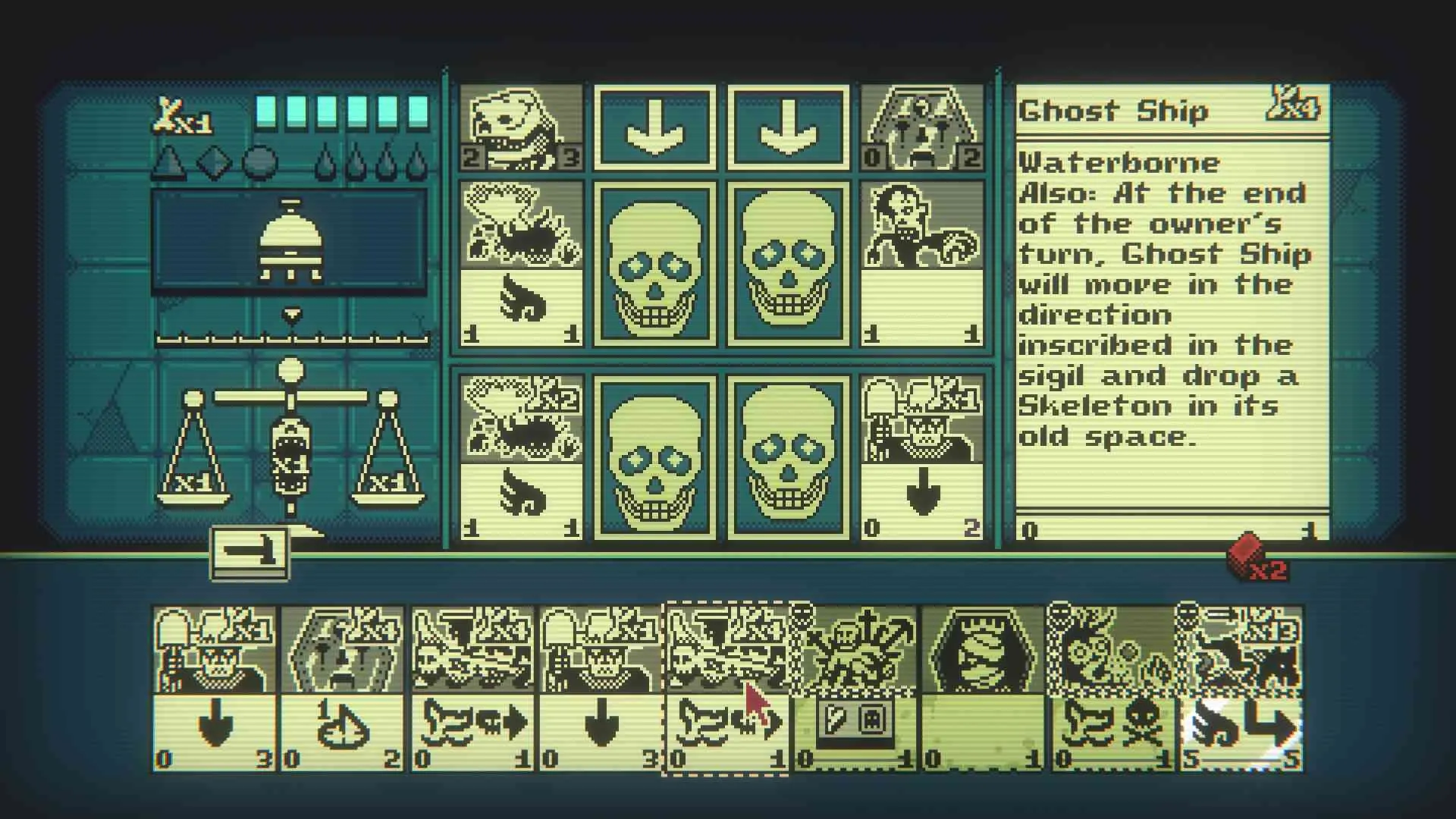
Gamers often seek total mastery. Inscryption denies stable mastery. Each act resets knowledge.
The message is subtle but powerful:
You cannot fully control this system.
Conclusion: Trust as the True Resource
Inscryption is not fundamentally about cards, horror, or even meta-narrative. It is about trust.
The game builds trust through clear systems. It breaks trust through rule changes. It rebuilds trust in new frameworks, only to dismantle it again.
By the end, the player understands that the true resource being manipulated was never blood, bones, or energy. It was belief in the stability of the system.
This is why Inscryption lingers in memory. It does not just surprise you. It destabilizes your assumptions about how games function.
And once that trust is broken, it can never be fully restored—not just in Inscryption, but in how you approach other games.
160-character summary:
Inscryption uses shifting rules and meta-structure to weaponize player trust, turning system instability into its most powerful form of psychological horror.