




Geometry Dash is built on repetition. Players attempt the same level dozens, sometimes hundreds of times before completing it. To outsiders, this may look frustrating or even pointless. Yet repetition is exactly what transforms average players into consistent performers. This article explores how structured repetition turns frustration into measurable mastery.
1. Repetition as a Learning System
Geometry Dash is not random.
Each obstacle is fixed and predictable.
What This Means
- Every failure contains information
- Patterns can be memorized
Core Insight
Repetition is structured learning, not wasted effort.
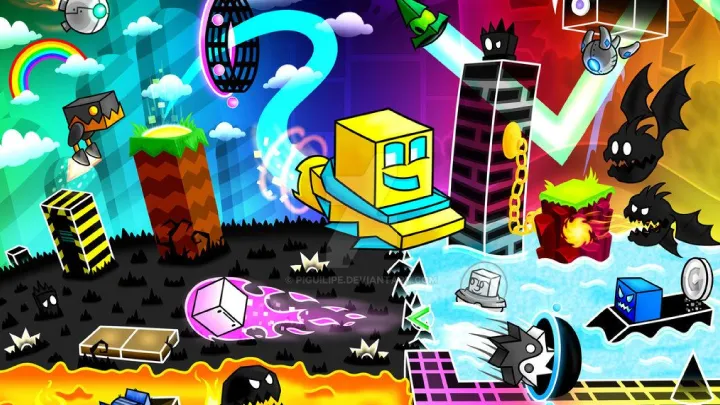
2. Muscle Memory Development
With enough attempts, actions become automatic.
Players stop “thinking” and start reacting instinctively.
Muscle Memory Benefits
- Faster response
- Smoother timing
Performance Rule
Automatic input reduces hesitation.
3. Reducing Cognitive Load
At first, every obstacle demands attention.
Over time, sections become automatic.
Mental Shift
- From conscious effort
- To subconscious execution
Advantage
More focus for harder sections.
4. Section-Based Improvement
Strong players isolate difficult parts.
They practice small segments repeatedly.
Practice Strategy
- Break levels into sections
- Master one part at a time
Efficiency Insight
Focused repetition beats full-run attempts.
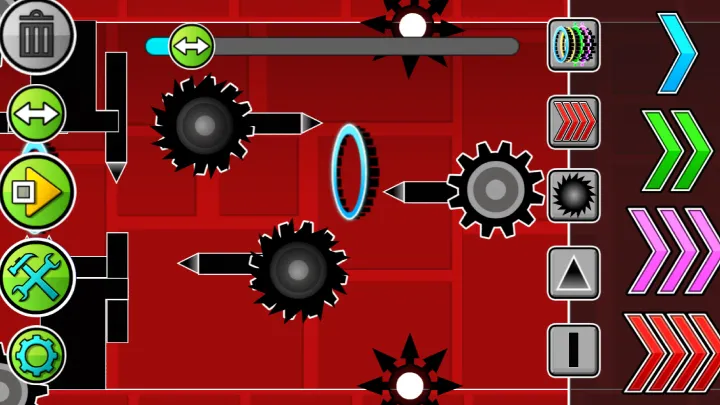
5. Emotional Resistance to Repetition
Many players quit because repetition feels boring.
They mistake repetition for stagnation.
Psychological Barrier
- Impatience
- Desire for instant success
Reality
Improvement hides inside repetition.
6. The “Almost There” Effect
Reaching 80–90% increases pressure.
Mistakes feel heavier.
Common Reaction
- Overthinking
- Increased tension
Control Strategy
Treat late sections like early ones.
7. Small Improvements Compound
Progress in Geometry Dash is subtle.
Deaths move slightly forward each session.
Signs of Growth
- Fewer early mistakes
- More consistent timing
Growth Rule
Small gains compound over time.
8. Why Frustration Is Part of the Design
The game is designed to challenge patience.
Frustration signals difficulty—not failure.
Design Philosophy
- Clear feedback
- Immediate restart
Learning Loop
Fail → Adjust → Retry.
9. Mastery Feels Earned
When a level is finally completed, the reward is intense.
Victory reflects accumulated repetition.
Emotional Payoff
- Satisfaction
- Confidence boost
Competitive Edge
Mastery builds resilience.
10. The Long-Term Player Advantage
Players who embrace repetition improve steadily.
They develop consistency across levels.
Advanced Traits
- Calm under pressure
- Structured practice habits
Final Insight
Repetition creates reliable skill.
Conclusion
Geometry Dash proves that repetition is not the enemy of fun—it is the foundation of mastery. Players who accept repetition as part of the learning process gradually transform frustration into precision and control. In the end, the game rewards persistence more than raw talent.